Skip to content


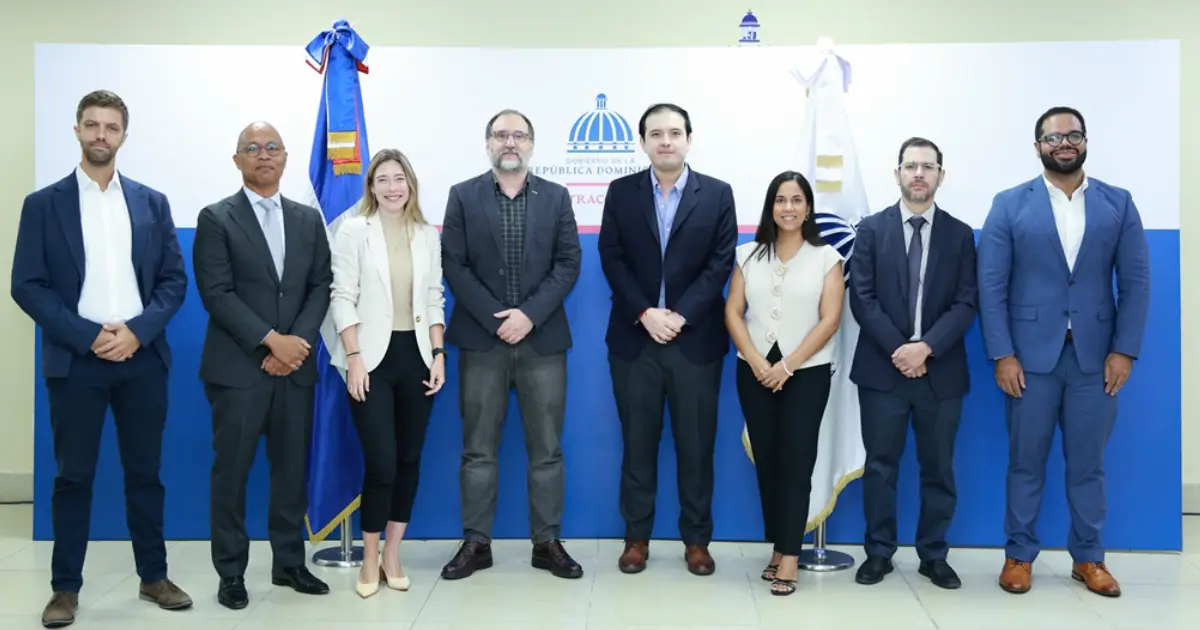
Digital transformation and the need to adapt public policies to a scenario of accelerated technological change were the focus of the technical mission carried out in the Dominican Republic by the Digital Transformation Lab (DLAB).
The activity brought together specialists from the Latin American and Caribbean Institute for Economic and Social Planning (ILPES) and the Division of Production Development and Business, whose objective was to support Dominican institutions in the adoption of digital solutions applicable to productive development. During the meeting, the Digital Transformation Simulator and the RESMA methodology were presented, two instruments developed within the framework of the partnership between ECLAC and German development cooperation to support the design of evidence-based public policies and the implementation of digital agendas in the region.
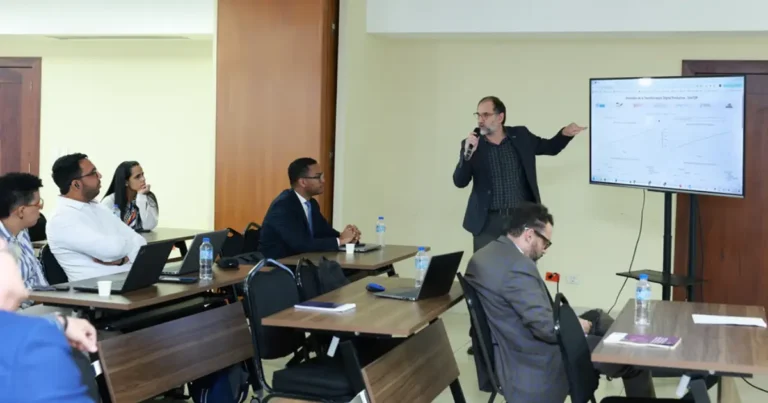
As part of the program, a technical workshop was held in which Alejandro Patiño, Economic Affairs Officer at ECLAC, presented in detail the operation of the Digital Transformation Simulator, a tool that allows modeling scenarios and evaluating the impact of different policy decisions. The exercise served as a basis for defining a future work plan and for identifying the technical requirements necessary for its application in the Dominican context.
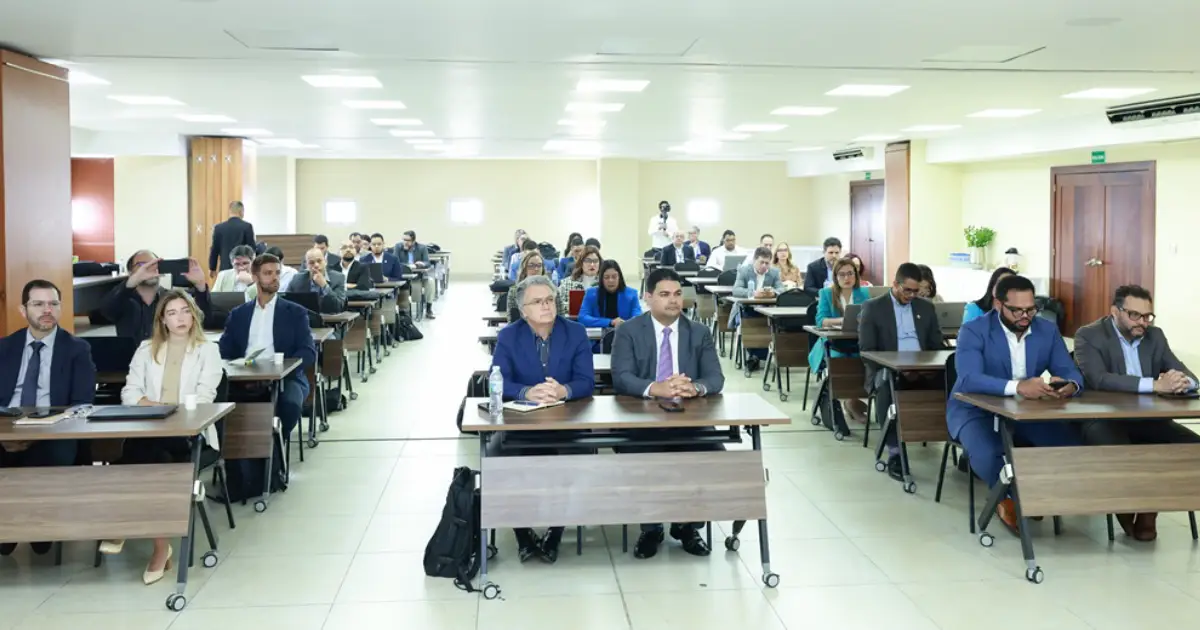
In a second session, the work focused on the RESMA methodology, oriented toward the development of regulatory sandboxes or testing environments. This session was attended by various institutions interested in its application in strategic productive sectors, including the Superintendence of Electricity and Water, the Dominican Telecommunications Institute (INDOTEL), the Ministry of Innovation and Technology, the Ministry of Finance, the National Competitiveness Council (CNC), the Government Office of Information and Communication Technologies (OGTIC) and the National Cybersecurity Center (CNCS), among other relevant stakeholders.
According to Patiño, the importance of these tools lies in the urgent need for technical inputs that support evidence-based decisions, especially in a context marked by accelerated technological disruption, transformations in employment and greater demands for inclusion.
Finally, the mission strengthened cooperation between ECLAC and the government of the Dominican Republic. In this framework, the Commission reiterated its willingness to continue supporting countries in the region in the implementation, design improvement and evaluation of public policies that contribute to consolidating a more inclusive and sustainable productive development model, aimed at improving people’s well-being.